
 About
About Diversity of Identities in Prehistory, Early History and Presence
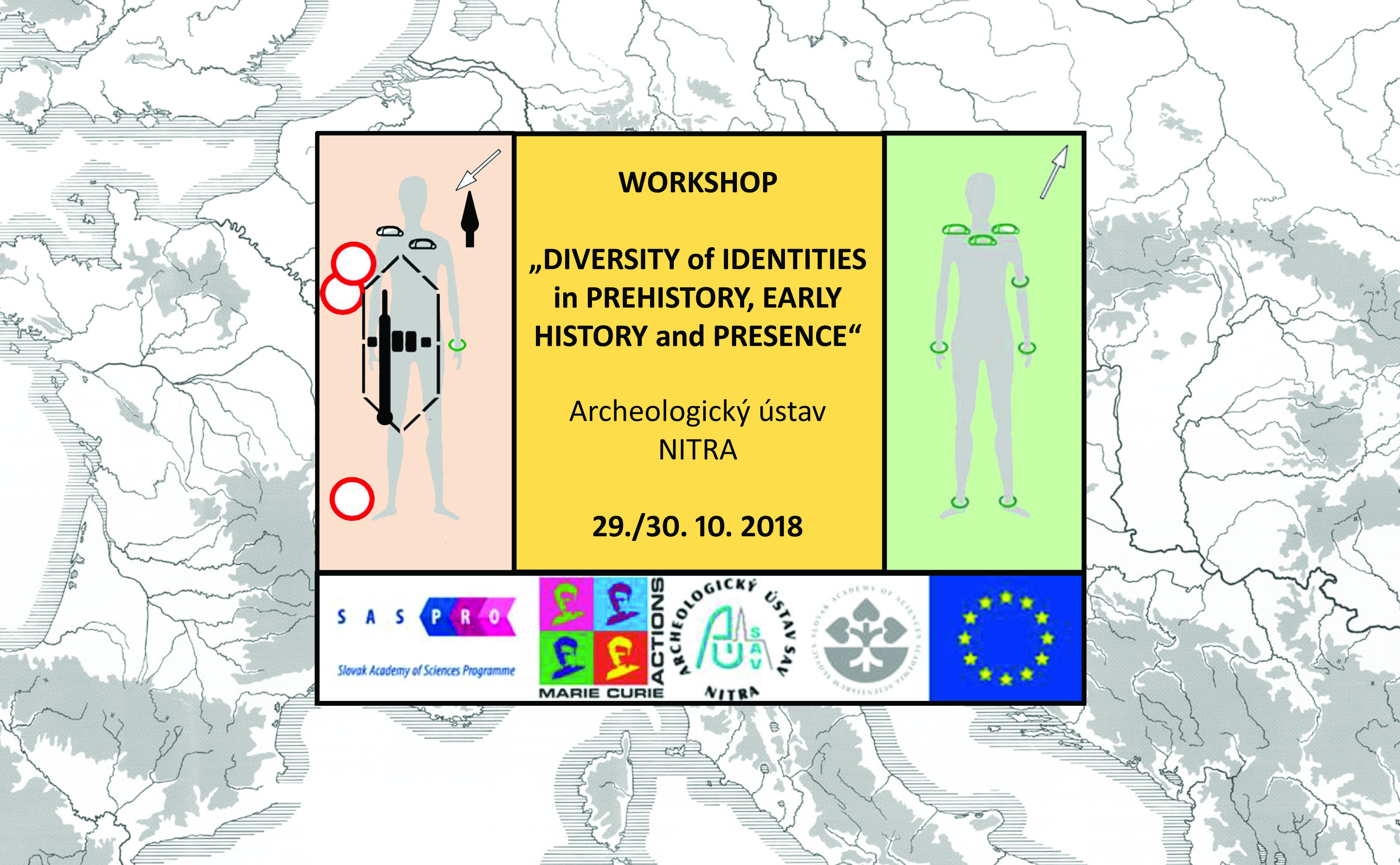 Workshop
Institute of Archaeolog SAS, Nitra
Akademická 2, 94921 Nitra, Slovakia
29.-30. 10. 2018
The archaeology of personal identities has firmly established age, gender and status as relevant categories of investigation.
In 2016 we organized a workshop in Klement-Oberleis in Lower Austria under the topic of “Multiple femininities – multiple masculinities: the diversity of gendered identities in the Bronze and Iron Ages”. This year, as the final act of the SASPRO Project “Male Identities in La Tène Cemeteries in the Middle Danube Area”, it is time to expand the field from prehistory also to early history and our present days. Next to different “archaeological identities”, we want to ask about “Identity of archaeology”, hence the identity of archaeologists.

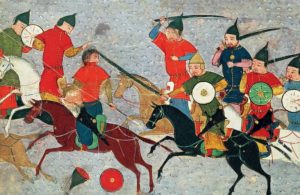 For almost two centuries the Cuman-Qïpchaq Tribal community enjoyed an unchallenged domination over the steppes of Western Eurasia, which became to be known as the Cuman Field (Dasht-i Qipchāq, Pole Polovetskoe, Cumania). However, this favorable situation dramatically changed in the first decades of the 13th c., when the advancing Mongol armies started a series of campaigns aimed at the subjugation of the numerous nomadic inhabitants of the Cuman Field. Motivated by their project for pan-nomadic empire and worried by the possible repercussions of the stubborn Cuman-Qïpchaq resistance among other steppe dwellers, the Chinggisids put every effort to impose their authority over these tribes.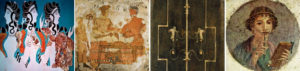
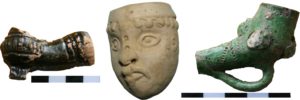
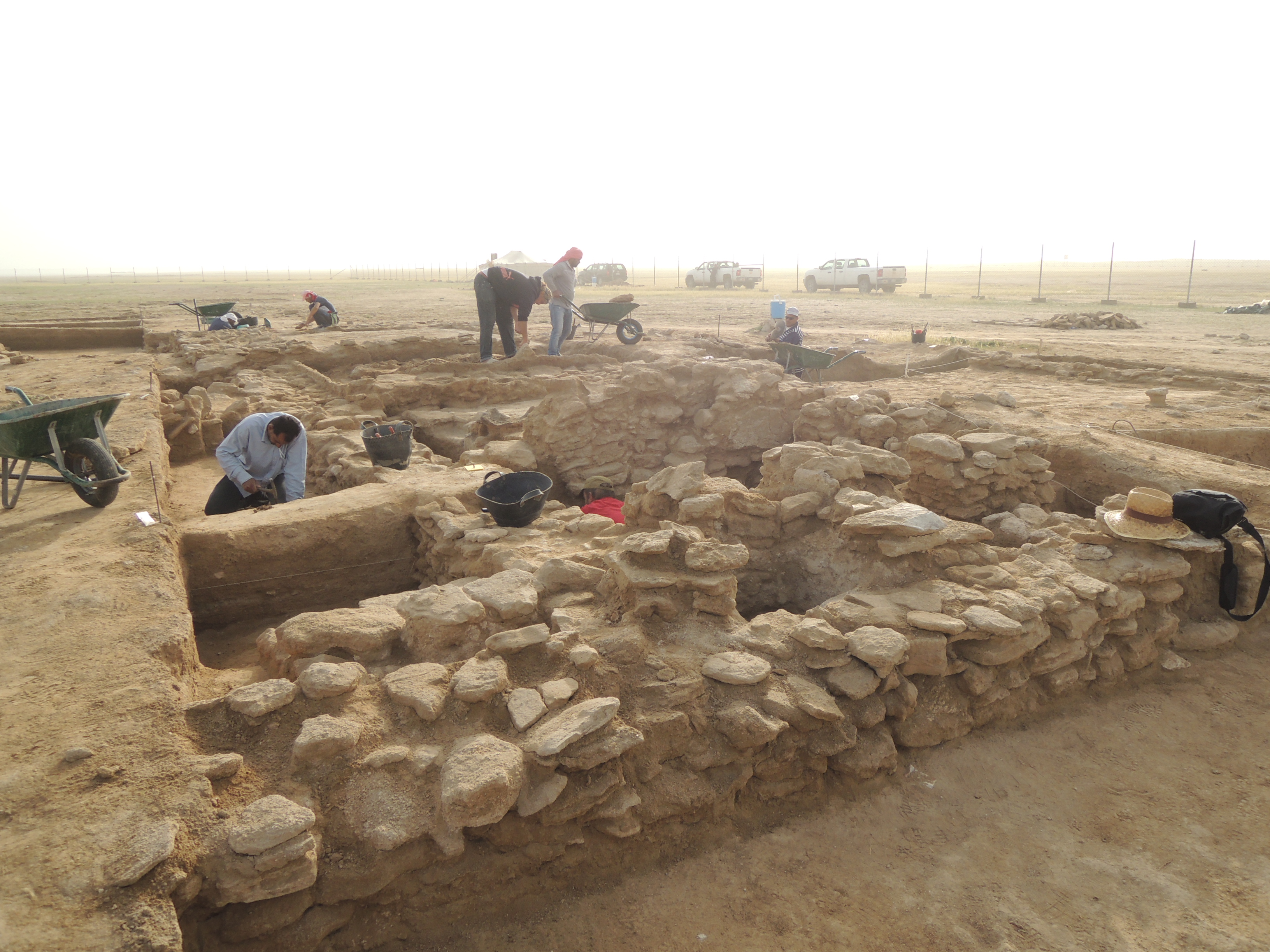
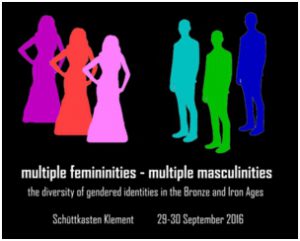 The archaeology of personal identities has firmly established age, gender and status as relevant categories of investigation. Beyond the recognition that not all women and men led identical lives, however, there has been little effort to unravel the diversity of gendered lives. Women’s lives may have differed significantly according to their reproductive status – whether they were infertile, had few or many surviving children. Craft specialists of both genders may have led lives that took them away from their communities and brought them into contact with different ways of living. Similarly, medical or ritual specialists of both genders may be integral to many societies. Further, the mechanisms by which men turned into warriors are still little understood – was being a warrior part of every man’s lifecycle, was this particular identity restricted to a certain age group or class, or were other selection mechanisms at play? Some aspects of personal identity may not be gendered at all. Was gender relevant for making pots or taking care of children?