
cvndp publikacie publikacie

An international team is studying medieval board games in Dalmatia

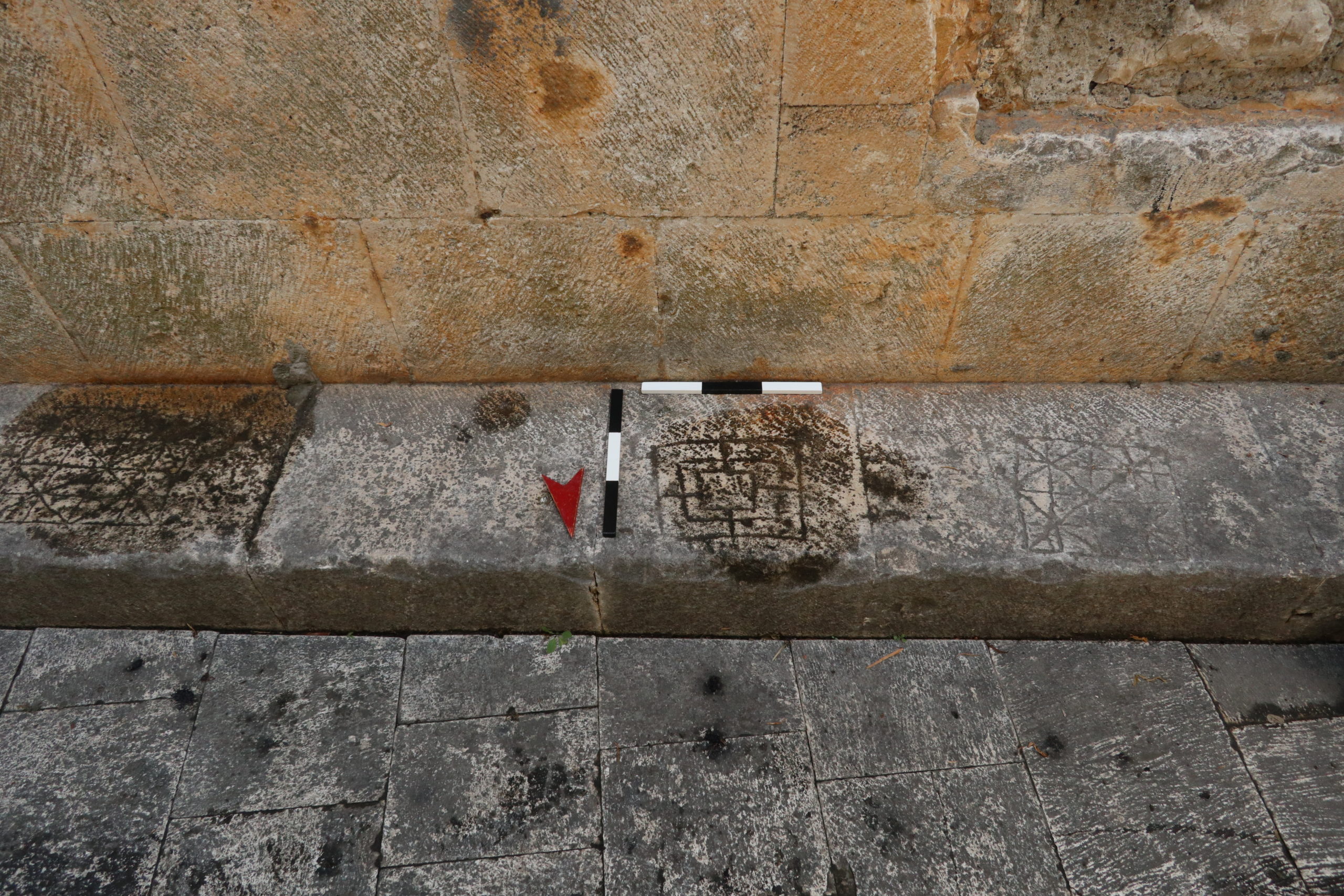
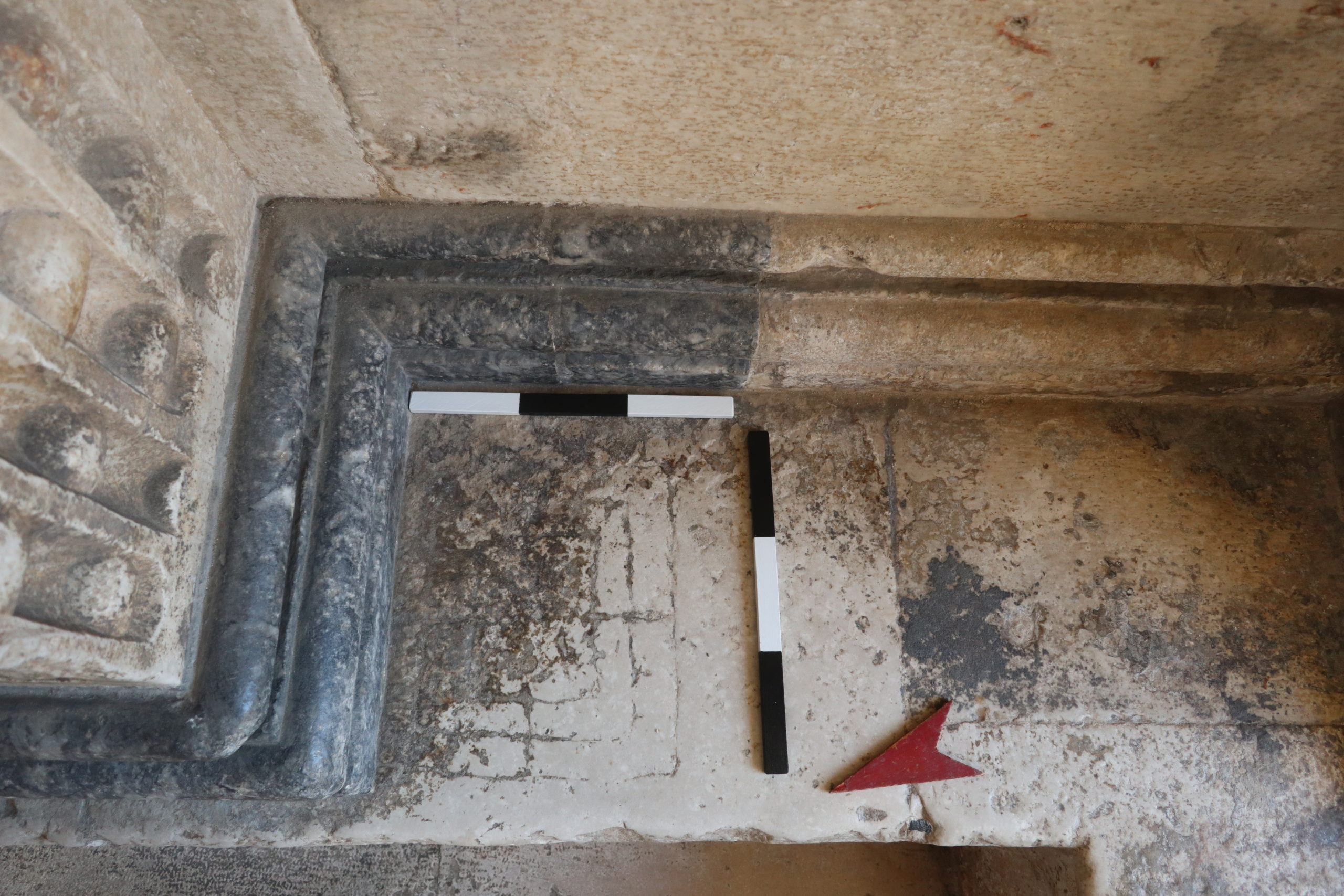
The ‘nine men’s morris’ game covered by a 13th-century portal, which enables us to date the find (Photo: AÚSAV, B. Kovár).

Board games occupy a unique position amongst archaeological finds. This is because they provide direct evidence of human interaction in the past. Some board games have not survived because they were often made from materials that have deteriorated over time. Others, however, can still be studied today because they have been carved into durable surfaces made of stone or brick. By documenting these game boards, we can cast new light on the role of games in the social lives of medieval Dalmatia and demonstrate the centrality of gaming as an activity which brought people together in the past.


In the Mediterranean region, we observe a frequent occurrence of board games in the vicinity of medieval sacred buildings. Engraved or painted board games have been found in and around medieval churches in what is now Spain, Italy and Croatia.

An international research team – comprising the Institute of Archaeology of the Slovak Academy of Sciences (Branislav Kovár, Anton Arpáš), the Trogir City Museum (Lujana Paraman, Aleksandra Matura) and the University of Reading (Summer Courts, Tim Penn) – focused on researching board games in the Croatian coastal town of Trogir. The research was carried out with the support of the aforementioned institutions and the COST Action CA22145 – GameTable project.
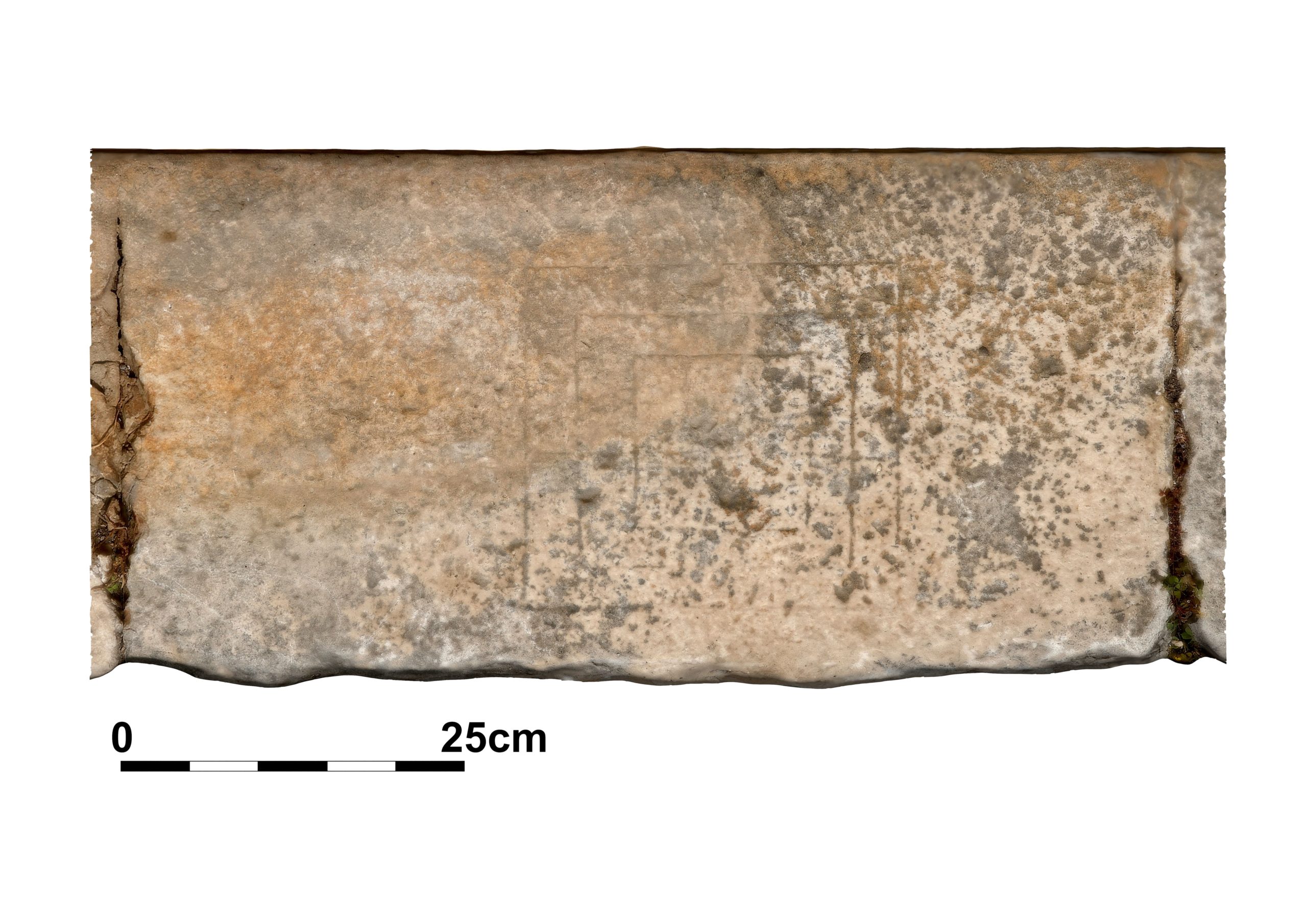
The discovered game of nine men’s morris (Photo: AÚSAV, A. Arpáš).

We identified the games in Trogir at two churches – at the Church of St John the Baptist and inside (and outside) St Lawrence’s Cathedral. Both were newly built during the city’s renewal in the 13th century, upon the foundations of older, Early-Christan basilicas – the one built in the early 5th century and dedicated to St Lawrence becoming a seat of the Diocese of Trogir already by the late 10th century. Both monuments are situated in the central part of the historic centre of Trogir, framing the northeastern and southeastern corners of the city square. The presence of gameboards in these public spaces confirms the stipulations of the Statute of Trogir of 1322 (book 2, chapter 29), which permitted gaming in public squares, but also tells us that games were so widely played that they spilled out of permitted public squares and into the churches themselves. Games were clearly very important in medieval Trogir.
Read more

Research into the exceptional Neolithic settlement at Vráble is continuing successfully

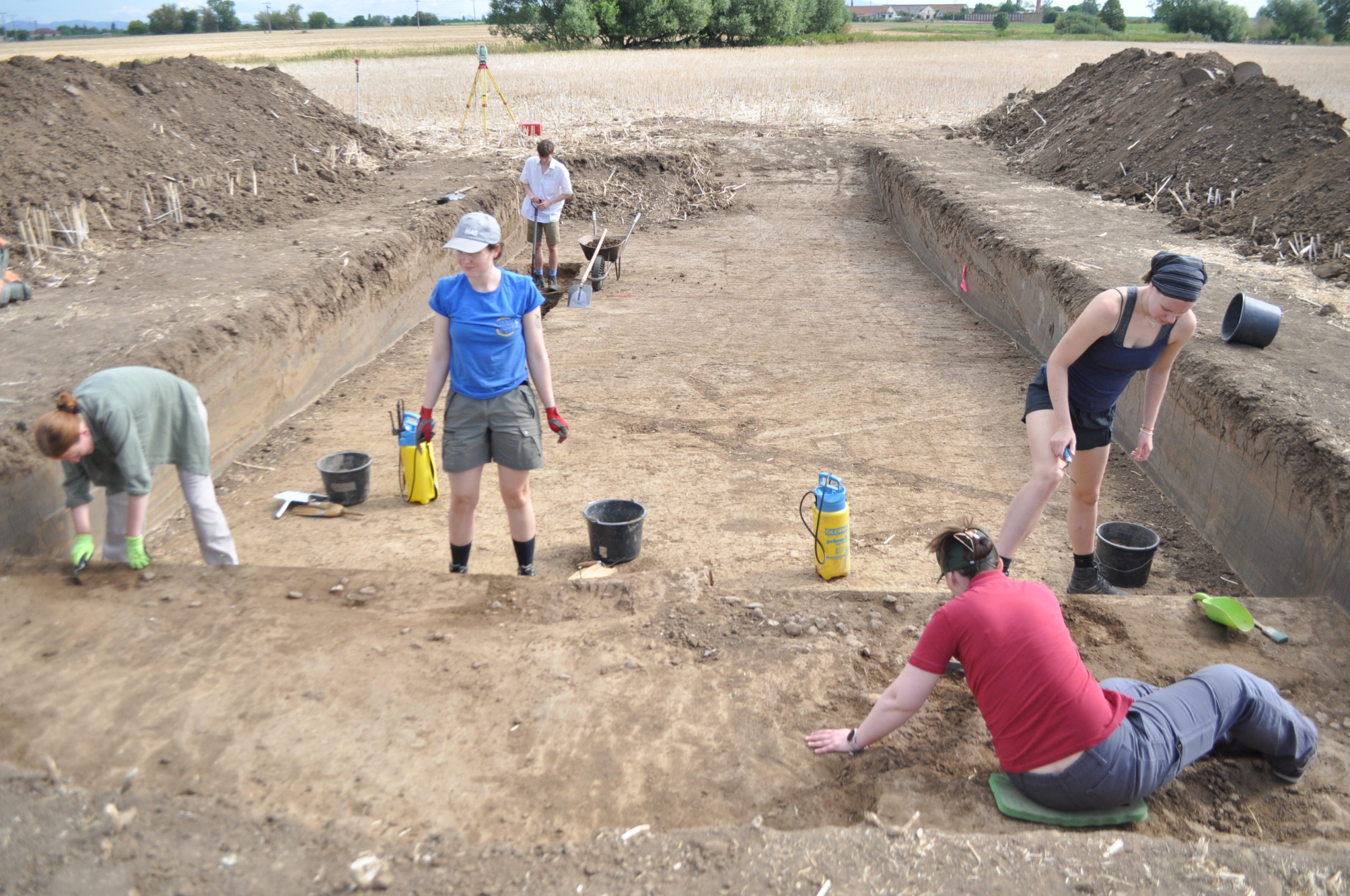
Researchers from the Institute of Archaeology of the Slovak Academy of Sciences and Kiel University are continuing their investigation of the extensive complex of three Neolithic settlements at Vráble in 2026. During the summer months, their work focuses on settlement area I, an enclosed settlement surrounded by ditches.


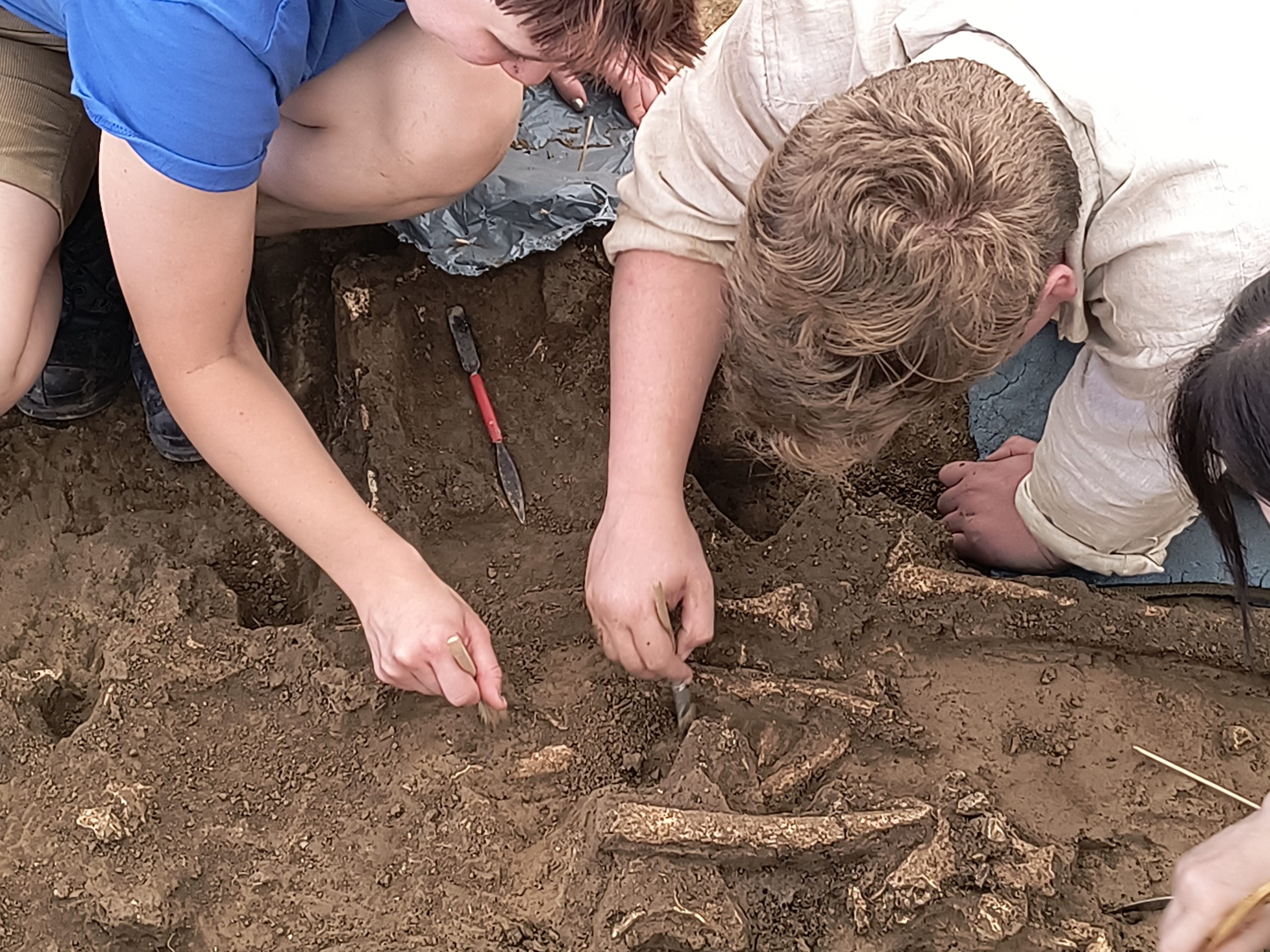
Archaeologists are gradually unearthing human skeletons.

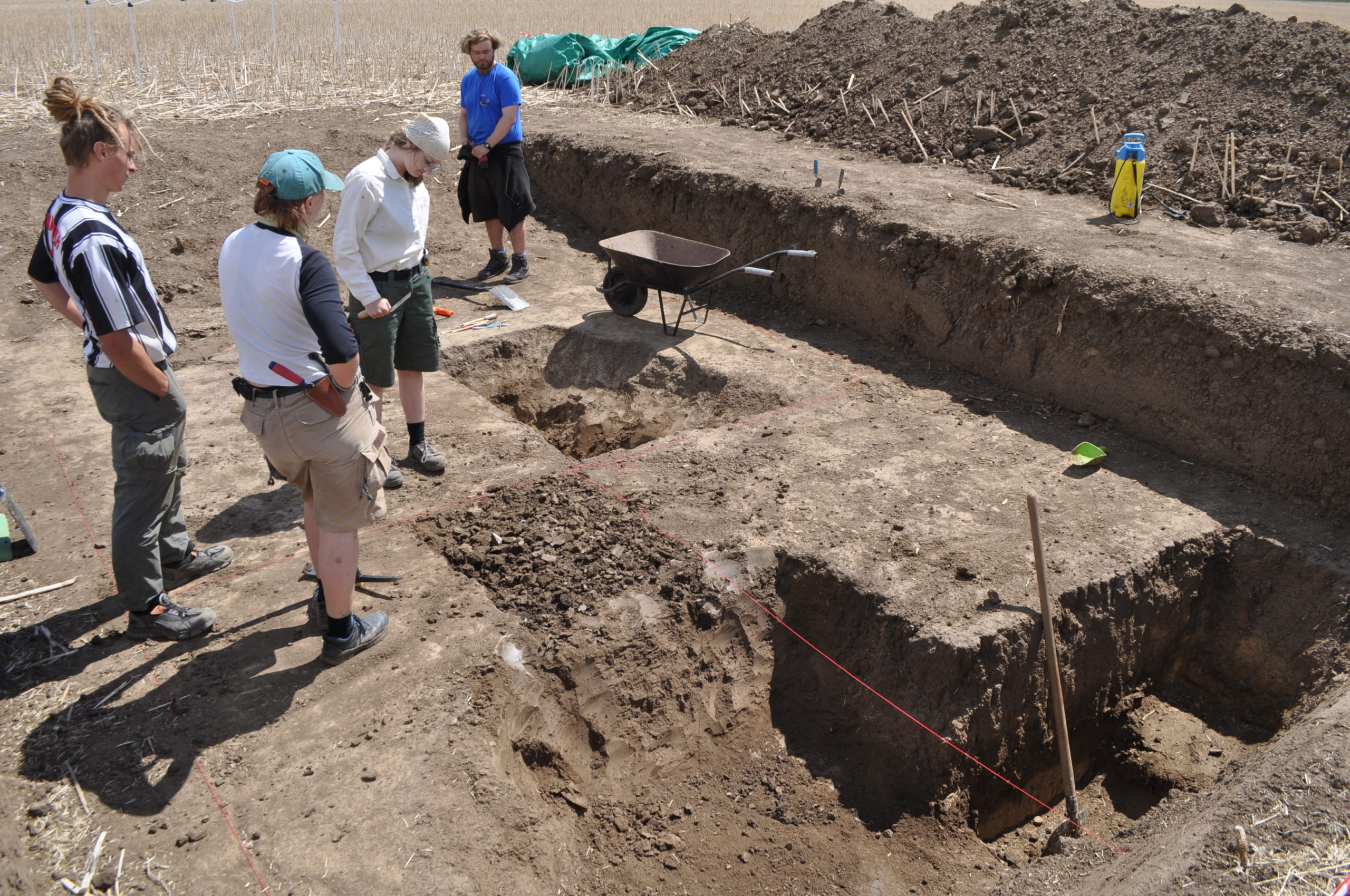
Actually, the further section of the outer ditch between entrances 1 and 2 is currently being excavated. Human skeletal remains dating to the Neolithic period had already been discovered in this section during previous excavation seasons. The bodies of the deceased had been thrown into the ditch without their heads. Working in close cooperation with anthropologists, the archaeologists are gradually excavating, documenting and examining the skeletal remains found at the bottom of the ditch surrounding the enclosed Neolithic settlement.


Headless skeletons

The exceptional nature of the discovery within the European context is further underlined by the number of individuals identified. To date, more than 100 skeletons with missing skulls have been uncovered and examined.

Researchers are also interested in the river pebbles found in the fill of the inner ditch, as well as in the manner in which the outer ditch was excavated in the northern part of the enclosure. At this location, the ditch was cut through a natural gravel layer, which must have made its construction considerably more difficult. The researchers believe that neither of these features is accidental,

Survey of the settlement ditch.

but that both resulted from deliberate actions undertaken by the settlement’s inhabitants.

The ongoing research is therefore helping to shed further light not only on the construction of the enclosure, but also on the social and ritual practices of the people who lived at Vráble more than 7,000 years ago.


Authors: Alena Bistáková / Martin Furholt / Ivan Cheben

Photos by Alena Bistáková